Saturday, July 13, 2019

Risotto with radicchio


One of the many joys of winter in Italy is the abundance of radicchio, and there are so many varieties, like this long and compact beauty, perfect for risotto.


I also found my Mum's old green pot (about 50 years old) which she always used to make risotto, and discovered that it is suitable to my new Italian kitchen's induction cooker. It may look a bit battered but it cooks beautifully!  


To start chop a white onion and sauté with olive oil, then add the chopped and rinsed radicchio with a pinch of salt, put the lid on and simmer, stirring from time to time, until the the radicchio is all wilted and doesn't taste too bitter.


It should take about 20 minutes on low, and look like this (with a bit of juice). Now add the arborio rice,  (I made risotto for 8 with about 600 g of rice, only one onion and one radicchio!).


Stir until the rice is hot and then start adding the vegetable stock, ladle by ladle as needed, you will need about two litres of it.


Keep stirring and adding stock until ready. When working with large quantities of rice it is better to rinse it first to remove a little starch, otherwise it will become too hard to turn, and too sticky.

Risotto with Radicchio is a great Italian classic, very popular in Veneto and Emilia Romagna (the best radicchio is from Treviso). Possibly in Veneto you would accompany it with one their fine whites, but in Emilia I paired it with a Pignoletto and it tasted great!  Enjoy!


Photos and Recipes by Alessandra Zecchini ©

Wednesday, June 12, 2019

A carrot soup that actually tastes good!


Do you want a carrot soup that taste carroty but not too much? Carrot taste can be a little 'overpowering' and I am tired of seeing so many carrot and coriander soup recipes, so here is a variation with onions and thyme.

1 kg carrots
1 large onion
olive oil
Fresh thyme
salt
vegetable stock
Salt and pepper to season
Coconut Yogurt to serve (optional)

Clean and steam the carrots. In the meantime slice the onion and cook in a frying pan with a little olive oil, salt and a few sprigs of fresh thyme until translucent. Place the steamed carrots and onion in a mixer and turn into a puree. Place into a soup pot and cover with vegetable stock. Simmer on low for 20-30 minutes (the longer the better). Add salt and pepper to taste and serve hot with a few fresh leaves of thyme and, if you like, a dollop of coconut yogurt.


Photos and Recipes by Alessandra Zecchini ©

Tuesday, April 2, 2019

Coconut tofu and vegetables strips with Eastern herbs - plant based paradise


I planted some ginger roots in my garden from a bought root that started sprouting and got a beautiful plant... but the flower looked like that of the wild ginger (a weed in New Zealand) and I was a bit worried... my neighbour told me that it is a good ginger, the flower is similar but it doesn't make the seeds that birds spread around the forest. Well, since I was worried I remove the plant (the flowers looked good in a vase anyway) and used the root to make gari (delicious, recipe here) and this tofu dish.

Very easy: just simmer some sliced tofu in a pot with coconut milk, vegetable stock, ginger, chili, lemon grass and a shallot. Add some celery, carrots and capsicum strips and simmer for a few more minutes, then turn the heat off and add some cucumber strips, fresh coriander, basil and Vietnamese mint and serve with Thai rice.

And now a few more subtropical delights from my garden: cherimoya (not ready yet) and bananas (the best bunch so far, shared with many friends!)


Had some flowers too, outdoors...


And indoors.


Photos and Recipes by Alessandra Zecchini ©


Saturday, March 16, 2019

Autumn preserves: quince paste, feijoa paste and fig jam


It is Autumn and there is great produce around, in particular I like quinces, which I can find at the local orchard in Oratia (Dragicevich and Sons, in West Coast Rd). I usually make jelly (recipe here) or paste, the paste needs less sugar and you get more out of it, although the cooking process is quite long. 


Wash the quinces, quarter and then remove the centre but not the skin. Cook with a bit of water until soft then blend. Add 60% of weight in sugar and a pinch of citric acid, and then bring to the boil, and boil, boil and boil until quite thick, stirring most of the time (ideally all the time, but I took breaks away from the heat!!). Then pour into a mould or a rectangular container.


Let the paste set for a few days, then cut and wrap in baking paper.


This year I had quite a few feijoas in the garden, so I though of doing the same. In the past I made jam (recipe here) and it was so solid that I realised that it had been a mistake to put it into jars: feijoas are like guava and guava makes a paste similar to quince paste.

So I followed the same steps as for the quinces, but instead of removing the core I removed the skins with a knife. If you want to use the skins for something else you can try this feijoa cordial.


 Finally, the fig trees have a few figs, not big and as soon as they ripen the birds eat them, so the only thing I can do is to pick them when they are still green, not so good for eating fresh, but good for jam. 

Boil them first for five minutes then discard the water and scum (from the white sap that comes out), cut them into two and put them back in the pot, once again with 60% sugar, and a little water. 


 The figs should mush easily while boiling, if you keep stirring them with a wooden spoon, but if you want to keep a few whole remove them from the pot before mashing the rest, and add them back during the last 5-10 minutes. This jam went into jars, it looks great, but I have the feeling that it will also be quite hard (I added some pectine - jam setting mix) and probably next year I will end up making fig paste instead of jam!


 Photos and Recipes by Alessandra Zecchini ©


Monday, March 11, 2019

Baby zucchini, zucchini flower and basil leaf beer tempura


This was so yum!!!! My zucchini plants now make only little zucchini, they must be tired. But baby zucchini are so delicious and special, and the flowers too, that I decided to make something scrumptious, like tempura. And also to add some big basil leaves: I love leaves in tempura, but I never tried Italian basil, it was amazing!!


For the batter I used a tempura flour mix and, instead of water, a chilled Peroni Leggera beer. Using cold beer produce a crispy tempura, plus you can drink beer while you are cooking :-).


Don't overtax the batter, make sure the oil is really hot, and cook the baby zucchini first, then the flowers and the basil leaves. sprinkle with salt and serve, with more beer!


Photos and Recipes by Alessandra Zecchini ©

Thursday, February 28, 2019

Vegan and gluten free Turmeric spoon dessert - the plant based paradise!


Mix 1 tbsp of cornflour with 2 tbsp of sugar and a pinch of turmeric powder. Slowly add 500ml or soy milk (or another vegetable milk of your choice), bring to the boil and simmer, stirring constantly, until it thickens. Pour into 4 dessert bowl (I use grappa/whisky glasses), and refrigerate. Before serving decorate with fruit (I used plums, nectarines, watermelon, blueberries and passion fruit).

Super delicious!


Fruit from the garden:


Veggies from the garden


And flowers


Photos and Recipes by Alessandra Zecchini ©

Thursday, February 21, 2019

Baby perlas potatoes two ways: hot 'in padella', and salad with flowers


I received a few potatoes to try from Potatoes New Zealand to celebrate November Means New Potatoes, and here are my first creations.

  I started with baby perlas, which I knew already. These little new potatoes are cute and a real little treat, so they deserve special attention!
I boiled them first (no mint... just cannot bear minted potatoes, sorry Kiwis!) and then I divided them: half I used for salad, I picked the 'bigger' ones and cut them into two pieces, then I mix them with Vegan mayonnaise (recipe here), chopped onion weed bulbs and stalks, nasturtium buds and petals, and Impatiens' petals. 

Keep a few flowers aside for decorations, and onion weed flowers too, if you like. I think that a lot of people now are comfortable with eating nasturtium flowers and buds (I left some buds for decoration too, and for you to see). Buds taste a little like capers. Young tender leaves are nice too (see soup below). Not so many people would eat Impatiens though, or know about them. They taste a little like rocket, and I prefer the red ones, although I always add a few pink ones just because the colour is so pretty. My preference for red ones may be just because I observed the chickens eating all the red ones while leaving behind the other colours, but maybe they are just colour blind? Anyway, I tasted all the colours and decided that the chicken were right... Of course don't eat the flowers if you spray your garden with chemicals!


As for the smaller potatoes, I just heated it some garlic with olive oil in a skillet and then tossed the potatoes around, with an extra good pinch of salt, until hot. Then turned the heat off and added some fresh thyme, another toss, and ecco fatto! Patatine novelle in padella al timo!


Photos and recipes by Alessandra Zecchini ©

Sunday, January 20, 2019

Marzipan with Amaretto

Assorted natural flavours and colours, including green tea, cherry syrup, berry juice, candied citrus,
and some stuffed dates too!

Last Sunday I did a demo about making Marzipan at the Auckland Art Gallery, to celebrate Italian Language week with the Dante Auckland. I have a basic recipe which I always follow (without egg white, thus suitable for Vegans too) and you can find it here. But since almonds don't have much taste in NZ (sorry... need to be said) I always add a few apricot kernels (not too much, they are poisonous!) so follow this recipe carefully! Now, apricots are not in season yet, and I made a little variation, which worked well: I added a little drop of Amaretto.


Marzapane with Amaretto

Ingredients
200g raw almonds
100g icing sugar
1 tsp Amaretto


Blanch the almonds in boiling water and remove the skins. Keep a few almonds aside for decoration, if you like, and ground the rest into a fine powder, almost like a paste. Add the icing sugar and Amaretto and mix until you get a dough. Shape into your favourite morsels, and colour with berries, green tea powder, spirulina, or anything you like. Some ideas for shapes and colours here.

Perfect for presents! Coloured with cocoa, green tea and berries
Photos and Recipes by Alessandra Zecchini ©

Thursday, January 17, 2019

Carrot leaf fritters, Vegan and gluten free


Having munched through everything green in the veggie garden I am left with the leaves of carrots, I usually make frittata with them, or fritters, and this time I tried a vegan experiment which was very successful (the kids looooved them). To be repeated soon, in the meantime here is the recipe.


Pick your carrots (mine are always small, since they grow in clay soil poor things). Keep the leaves, wash them well and remove the thicker stalks (a bit like cleaning parsley really).


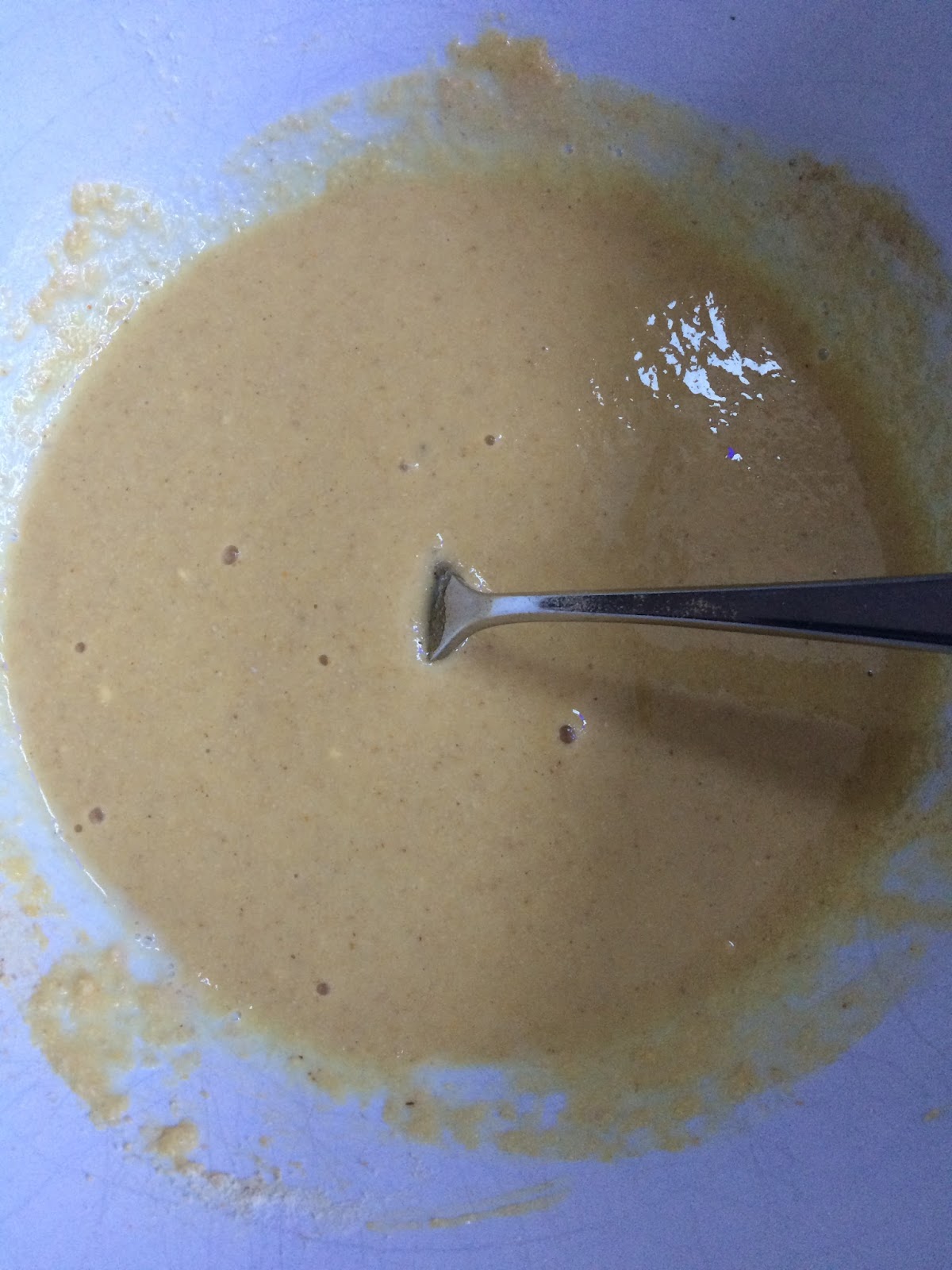
To make the vegan batter I used the liquid from a can of chickpeas, two tbsp of chickpea flour, a good pinch of salt (or two), and the tip of tsp each of ground cumin, ground coriander and ground turmeric.


Then I added the carrot leaves


At this point you can add a chopped spring onion, or some chopped onion, or chives, but since I picked my first onion weeds I added a couple, bulb, stems and leaves, You can also add the flowers, but I kept them for decoration (i.e. to take the photo!). 


Spoon into a frying pan with hot vegetable oil and cook on both sides until crispy.


Drain on kitchen paper, sprinkle with salt (optional) and then serve, hot or cold, with a good squirt of lemon juice.

Photos and Recipes by Alessandra Zecchini ©